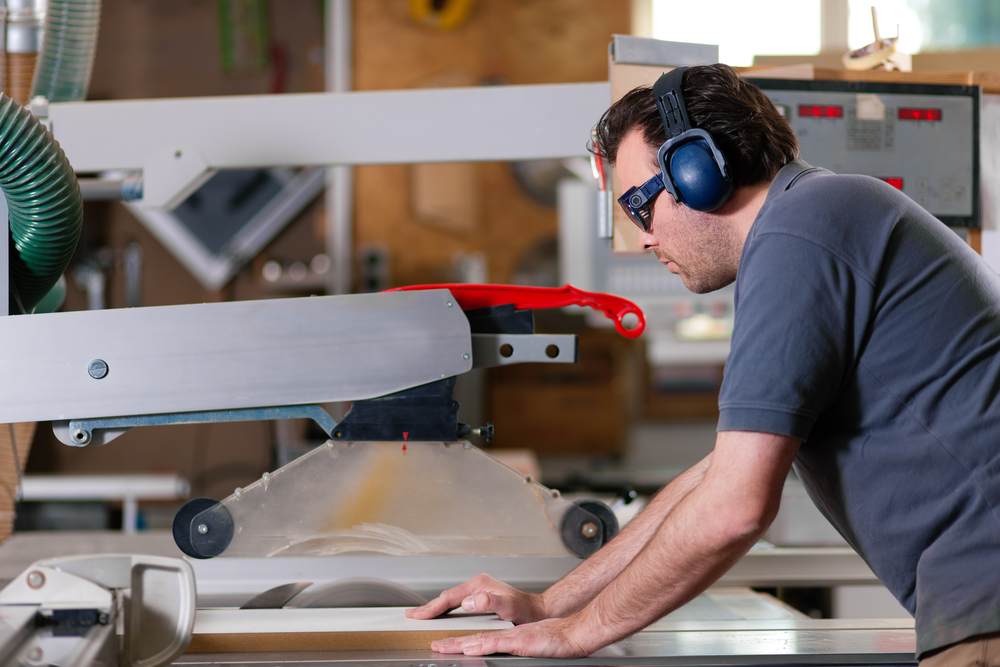
Exposure to noise for prolonged periods poses a serious risk to your auditory health, especially in settings where the sound intensity goes beyond safety thresholds. Protecting your ears is paramount—not only for preventing hearing loss but also for keeping focus in noisy environments. The question then is, how do you decide the best level of protection needed for your specific requirements?
How noise levels influence your hearing
When evaluating the effect of noise, the duration of exposure is as important as the sound’s loudness. The key measurement for gauging noise levels is dB, a unit used to quantify sound loudness. When sound levels get to 85 dB or higher, they can start to harm your hearing, especially with sustained exposure.
To provide a illustration, 85 dB is comparable to the sound of urban traffic when perceived from inside a vehicle. Though this loudness might not appear excessive, spending eight hours in it non-stop can lead to hearing impairment. The more intense the sound, the shorter the safe exposure time:
- Exposure to 90 dB (the sound of a Lawnmower) for more than 4 hours could be damaging.
- Limit your exposure to 100 dB (Power tools) to less than 1 hour.
- Damage is possible after only 15 minutes at the 110 dB level (Leaf blower).
- 120 dB (Rock concert): Any exposure at this level can damage your hearing.
- 140 dB (Jet engine): Immediate damage and pain can occur.
Pinpointing noise levels that pose a hazard
You must wear hearing protection when regularly exposed to 85 dB or louder levels. The requirement for protection is heightened in work environments, including factories and construction, or in any place where engines, gear, or devices create excessive noise.
Even outside of the job, there are circumstances where hearing protection can be beneficial—attending gigs, using leaf blowers, or engaging in recreational shooting sports are all pursuits that can expose you to hazardous noise levels.
How the NRR guides your decision
The efficacy of hearing protection is evaluated by its Noise Reduction Rating (the NRR). This rating shows how much sound the protector can reduce, given in dB. Higher rating values deliver superior protection. For instance, earplugs with an NRR of 30 dB can lower an 85 dB noise level to 55 dB, placing you comfortably within safe exposure limits.
In choosing protection, you must evaluate the specific noise levels you encounter and ensure your chosen protector reduces the sound sufficiently to remain under 85 dB.
Consistency hinges on comfort: why it’s so essential
The NRR is clearly important, but comfort is an equally significant component in achieving continuous, sustained use. An uncomfortable or awkward protective unit increases the inclination to remove it, which exposes your ears to dangerous noise.
Choosing well-fitting hearing protection ensures steady wear, thus reducing the risk that you will be exposed to noise occasionally. For illustration, if earmuffs are too heavy or lead to discomfort, you may find yourself removing them periodically, exposing your ears to harmful noise levels.
A look at the multiple forms of hearing protection
A range of hearing protection options are on offer, all with their own set of benefits and cons:
- Foam Earplugs: These sit inside the ear canal and offer excellent noise reduction. They’re lightweight and disposable but may feel uncomfortable for some users.
- Pre-Molded Earplugs are positioned slightly outside the ear canal; they are reusable—a more sustainable choice—and are also easier to handle than foam earplugs.
- Enclosing the whole ear, Earmuffs are perfect for settings where noise volume changes, as they can be easily removed and replaced. Their drawbacks include potentially feeling warm or heavy over a long period.
The perfect type of protection to choose is dictated by your own preference and the needs of the setting you are in. By way of illustration, a construction worker might select earmuffs for their convenience, while someone working in a factory may opt for earplugs for uninterrupted use.
Making sure you wear it continuously
The most effective hearing protection is the one you’ll wear steadily. Any interruption in use, even for a short period of minutes, can have long-term effects for your hearing health. It is absolutely necessary to identify a solution that strikes a balance between comfort, protection, and convenience for this purpose.
When hearing protection is neglected or not used correctly, it increases the risk of hearing impairment or temporary conditions like tinnitus. Protect your long-term hearing health by consulting an expert audiologist or hearing specialist. They will guide you on whether a hearing test is needed. A hearing test is typically the first and most important step, helping the expert identify any hearing loss and recommend the most effective treatment options.
Taking steps for permanent hearing protection
While noise is always present in our daily lives, using the proper hearing protection allows you to safeguard your ears and still appreciate the sounds of the world.
To discuss the most effective methods for safeguarding your hearing health and evaluating your risk for noise-related hearing damage, please reach out to us today.